

The Jimmy Melbourne Cup: Honouring a WA Football Pioneer
Author: Admin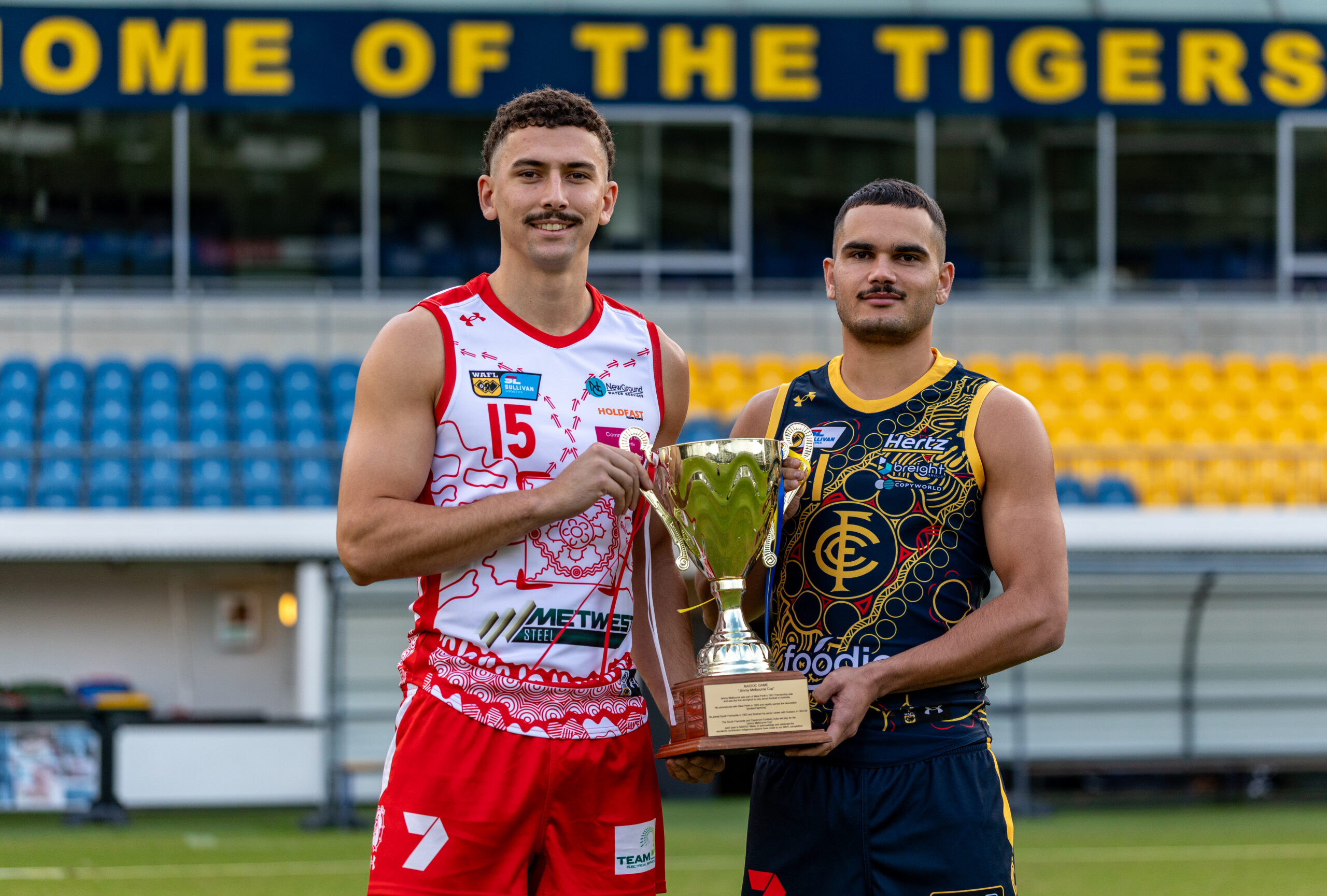
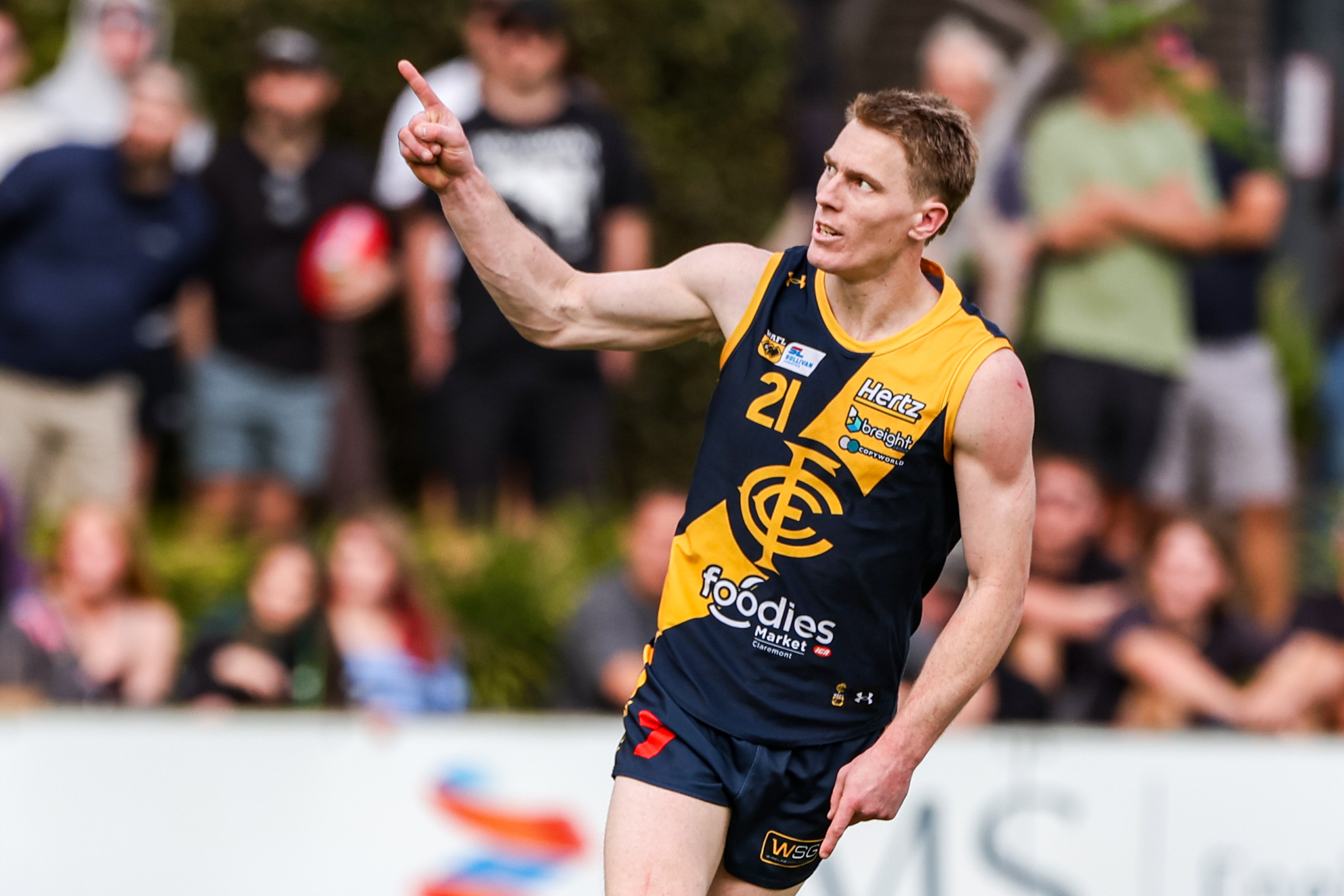
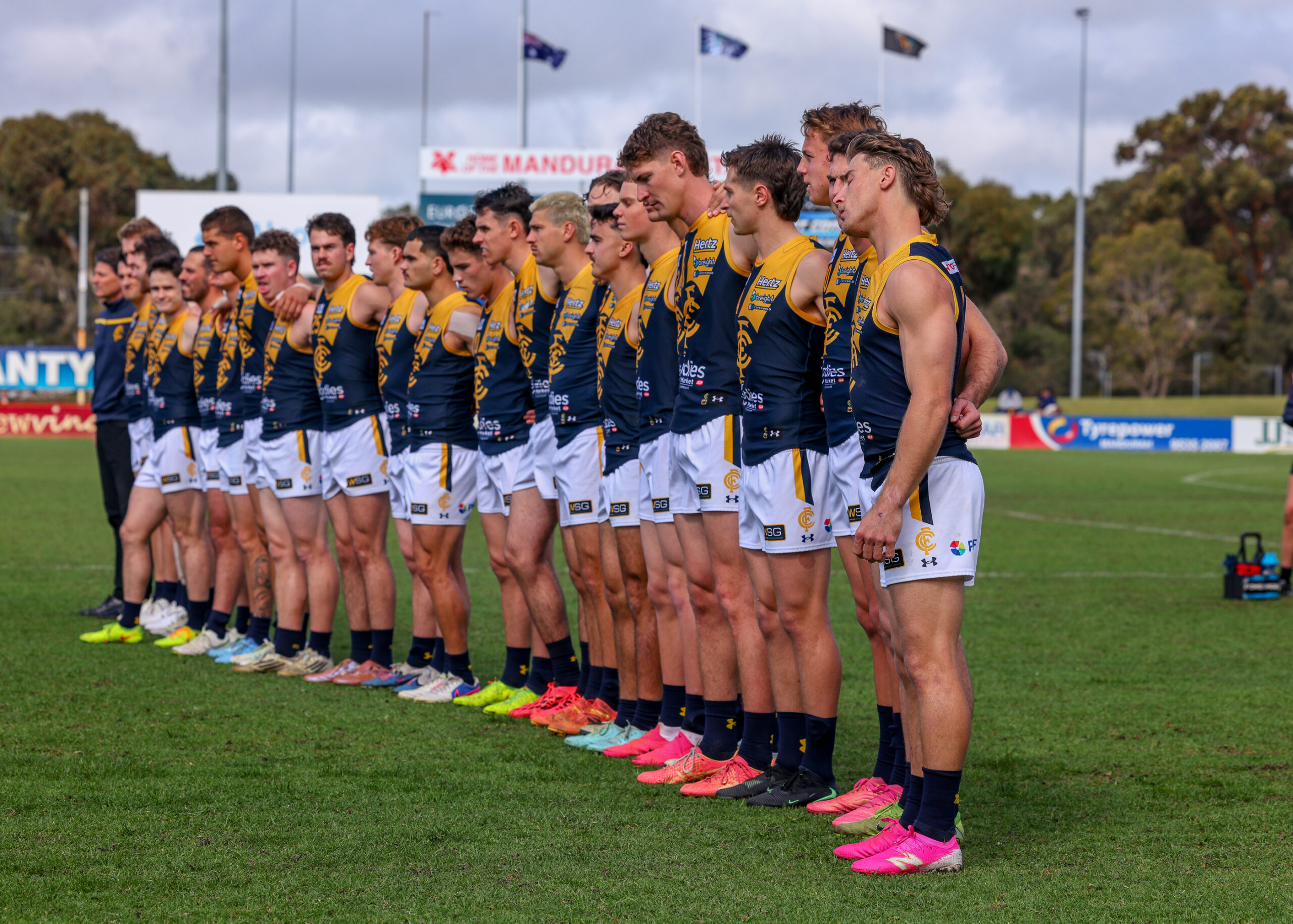
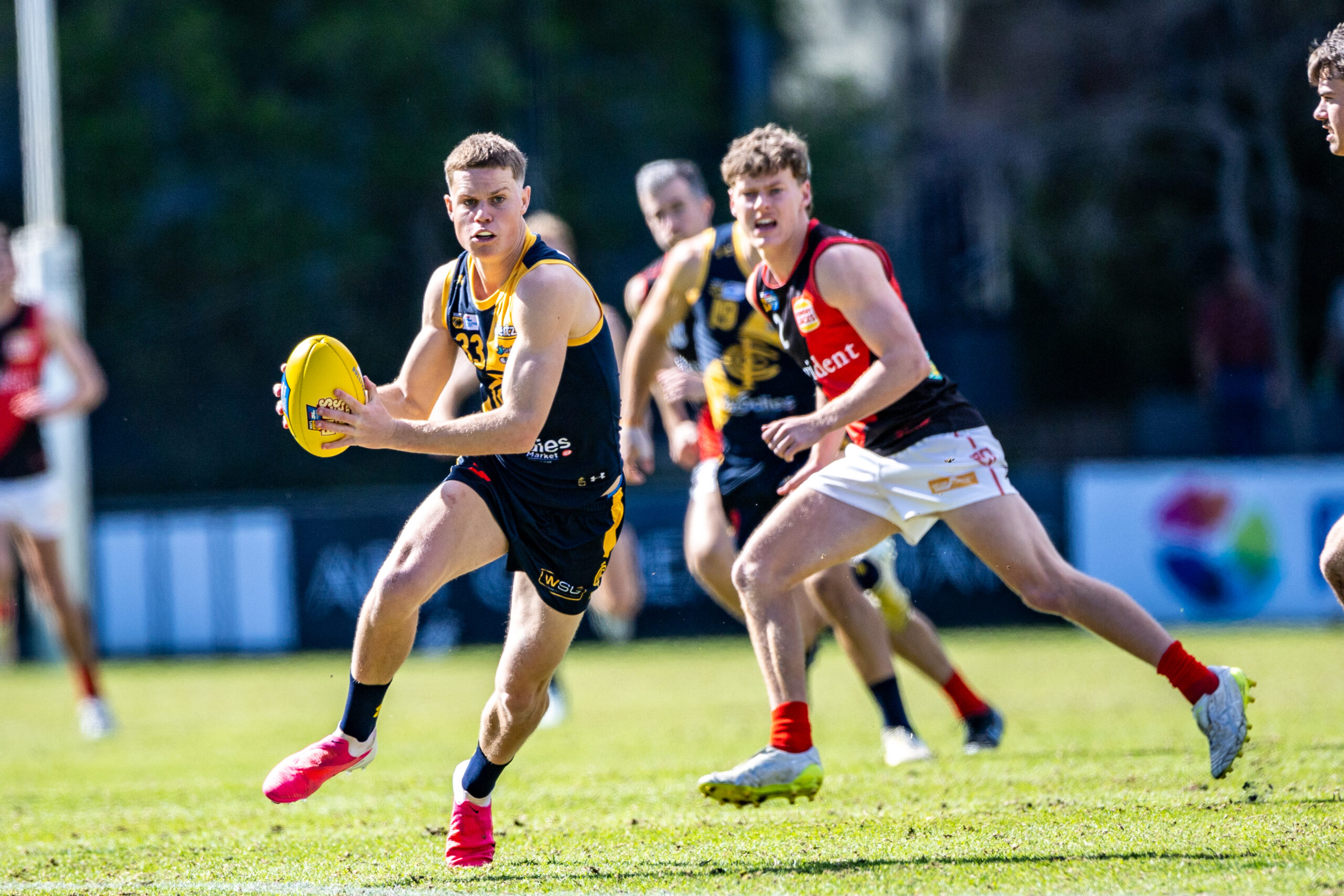
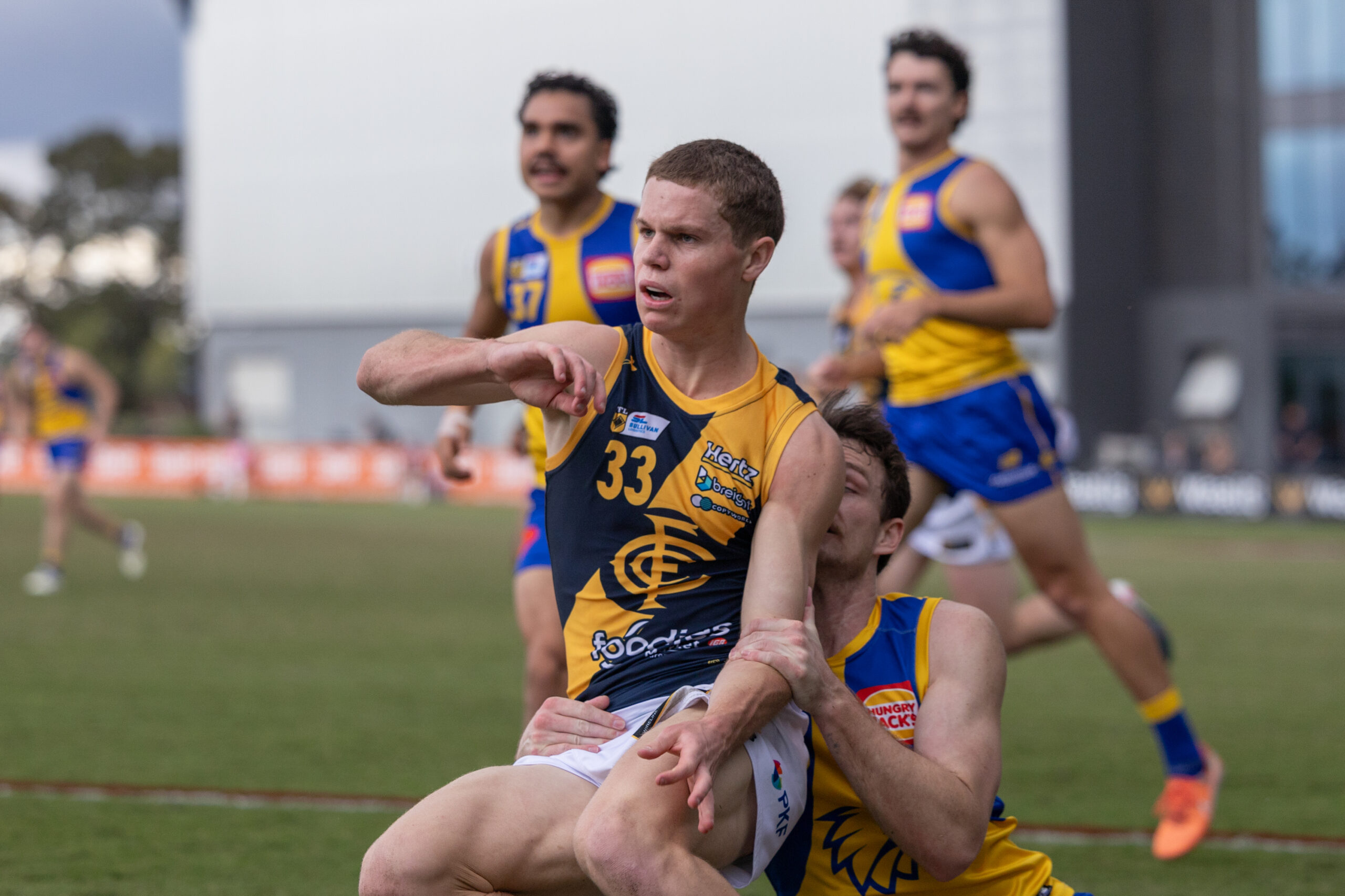
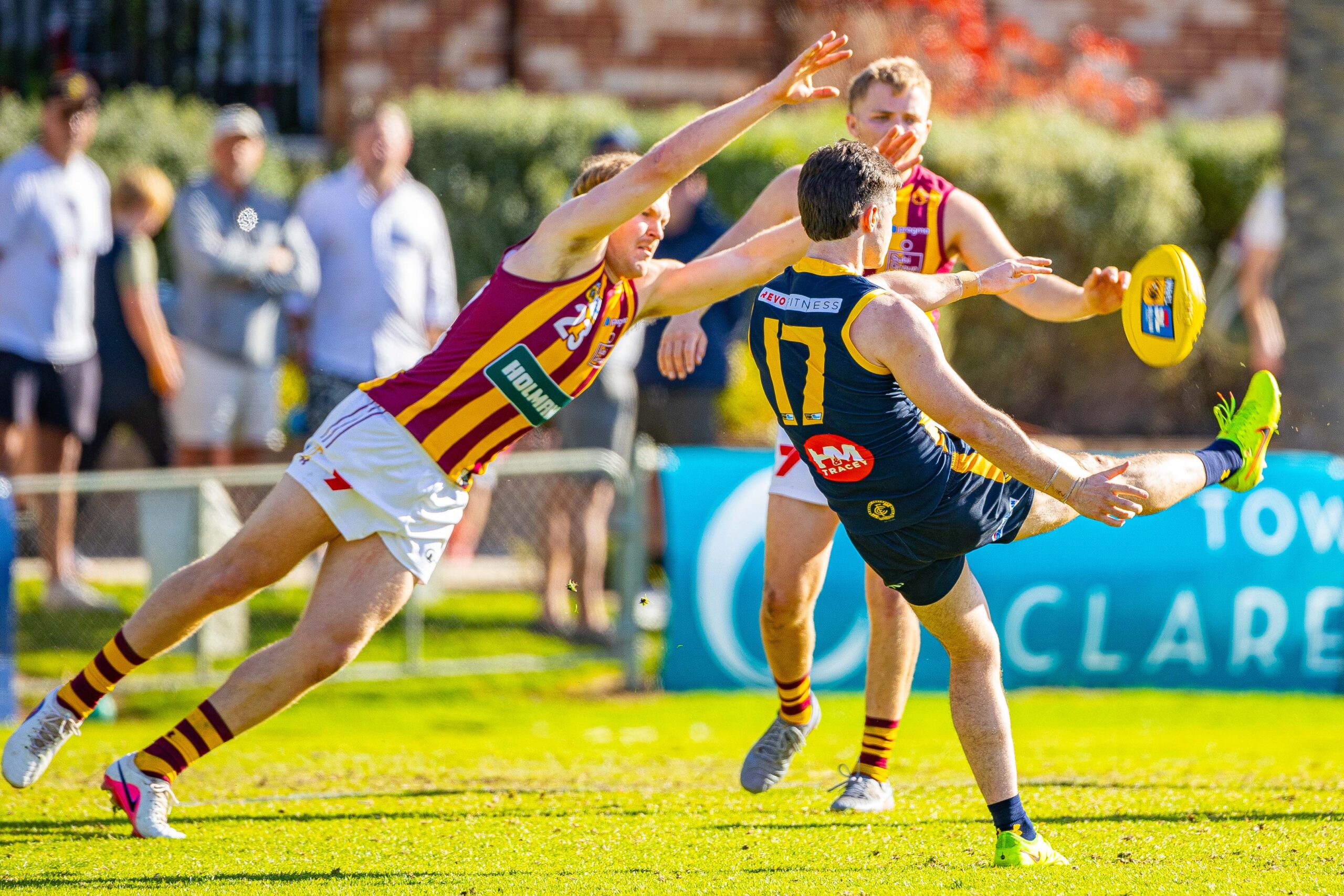
This weekend’s match between Claremont and South Fremantle will be played for the Jimmy Melbourne Cup, a fixture that carries deep meaning within the WAFL and Western Australian football community.
The Cup honours Jimmy Melbourne, a pioneering Noongar man from York who is widely recognised as the first Aboriginal player to compete in senior football in a major Australian football competition. Melbourne made his historic debut for West Perth against East Fremantle on June 2, 1900, before going on to become a member of West Perth’s 1901 premiership side.
Known by the nickname “Greased Lightning”, Melbourne was celebrated for his speed, skill and clean ball-handling. His senior football career included time with West Perth, South Fremantle and Subiaco, with his legacy stretching well beyond the games he played.
The Jimmy Melbourne Cup was established in 2007 as part of the WAFL’s NAIDOC Week celebrations, with Claremont and South Fremantle coming together to formally recognise Melbourne’s contribution to the game and to celebrate the extraordinary impact of Aboriginal footballers across both clubs.
The fixture has particular significance because Claremont and South Fremantle have long been recognised as two clubs with proud histories of nurturing Aboriginal football talent. Across generations, both clubs have been home to some of the most gifted and influential Aboriginal players in WA football.
The inaugural 2007 fixture also helped shape the future of Indigenous recognition in Australian football. Claremont and South Fremantle wore Indigenous-designed guernseys created by renowned Aboriginal artist Dr Richard Walley, with the initiative later embraced across the WAFL through a league-wide NAIDOC Round.
Since then, the Jimmy Melbourne Cup has become an important annual tradition, combining football, culture and community. The match provides an opportunity to acknowledge the past, celebrate the present and recognise the continuing contribution of Aboriginal players, families and communities to the WAFL.
Our Latest Insights
-
![]() Oct
2
FULL ARTICLE
Oct
2
FULL ARTICLEJoin the Team: Functions & Events Manager
Author: Admin -
![]() Sep
23
FULL ARTICLE
Sep
23
FULL ARTICLENotice of General Meeting
Author: Admin -
![]() Sep
22
FULL ARTICLE
Sep
22
FULL ARTICLEPeel Overwhelm Claremont
Author: Admin -
![]() Sep
15
FULL ARTICLE
Sep
15
FULL ARTICLEEastland Leads the Charge
Author: Admin -
![]() Sep
7
FULL ARTICLE
Sep
7
FULL ARTICLEWelcome Back Zac
Author: Admin -
![]() Sep
1
FULL ARTICLE
Sep
1
FULL ARTICLETigers Youth on the March
Author: Admin -
![]() Aug
25
FULL ARTICLE
Aug
25
FULL ARTICLEMellody Steals the Show
Author: Admin -
![]() Aug
18
FULL ARTICLE
Aug
18
FULL ARTICLEA Heartbreaking Loss
Author: Admin -
![]() Aug
11
FULL ARTICLE
Aug
11
FULL ARTICLEDelacey Shines On A Dull Day
Author: Admin -
![]() Aug
9
FULL ARTICLE
Aug
9
FULL ARTICLEClaremont Football Club Unveils Team of the Century
Author: Admin